Unabated global population growth is putting a lot of strain on the planet’s limited non-renewable and renewable natural resources. Additionally, the world is also running out of space to bury its dead. Then there is the issue of how traditional funeral practices pollute soil and groundwater.
So what is the solution?
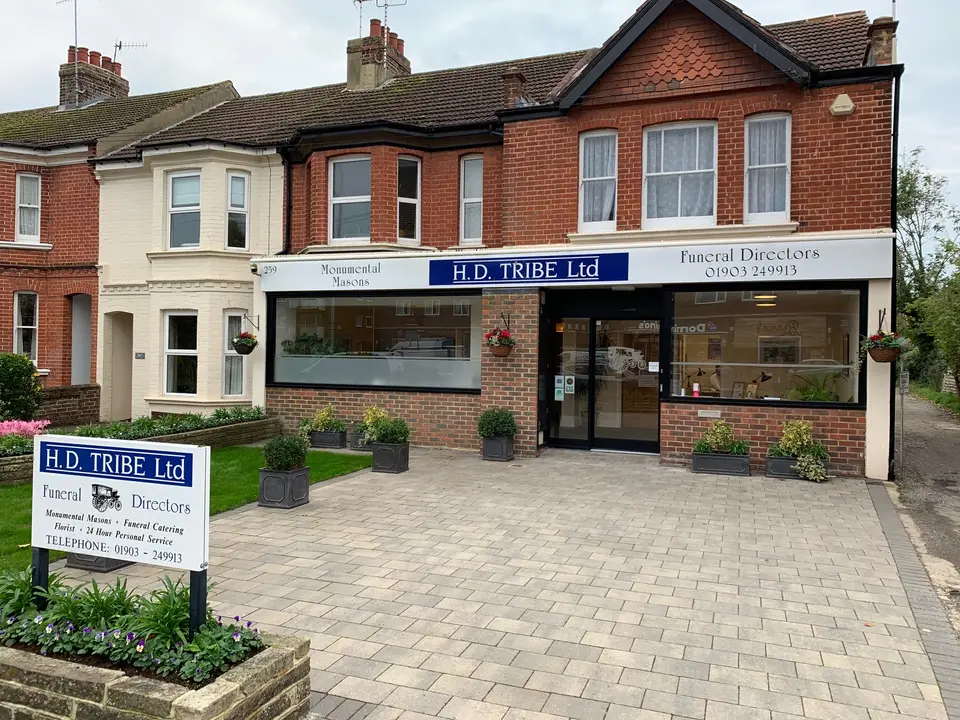
Well, according to the director of a reputable funeral home offering cremation services in Worthing, one can always choose to live a sustainable life and leave this world with a limited carbon footprint.
Why Cremation Is A Greener Farewell
Cremation is slowly but surely becoming the preferred way for people to say goodbye to their loved ones due to the following reasons.
Land Is Preserved
Land, just like other renewable and non-renewable resources of planet Earth, is limited. Especially in the UK, where land is a limited resource, traditional funerals need a dedicated plot of land. Additional resources include a wooden or metal casket and a concrete vault. The outcome is that when the deceased is buried on the ground, the final act permanently alters the plot of land. Cremation services in Worthing, on the other hand, reduce the mortal remains of the deceased to ashes. And ashes can be scattered in a garden or kept at home in a shrine. Thus, it keeps the deceased from physically burdening the local landscape and ensures land is available for future generations.
No Harmful Chemicals Go Into The Ground
Traditional funeral practices involve injecting the mortal remains of the deceased with embalming fluids. Why? Well, to preserve the body of the deceased so that the remains are fit for open casket viewings - events where friends and family get the last chance to say goodbye. The problem is that embalming fluids are carcinogenic in nature. And when the embalmed body of a deceased is laid to rest on the ground, the chemicals get released into the ground. Which then leaches into groundwater reserves - leading to both soil and water pollution.
Cremation, on the other hand, bypasses the embalming process completely. Hence, when the goal is to leave a green and clean legacy, choosing cremation makes sense.
Modern Cremation Has Strict Emissions Control
One might think that cremation adds to air pollution. They would be wrong. A range of emissions control mechanisms supports the modern cremation process. For example, crematoria in the UK come equipped with advanced emissions filtration systems. In this way, mercury from dental fillings is captured before it leads to atmospheric pollution. Furthermore, additional pollution control mechanisms are in place that prevent fine particulate matter from entering the local air and polluting it. The outcome is that compared to the cremation process followed even a decade ago, modern crematoriums are designed to arrest pollution, not add to it.
Leave A Clean Legacy
When one decides to bid farewell to their loved ones through cremation, they ensure the final act leaves a minimal carbon footprint. On the flipside, cremation lets the deceased leave a clean legacy. Their mortal remains will not use any Earthly resources, such as land, or pollute natural resources, such as groundwater. In this way, the deceased is actively leaving a better future for future generations.
If you would like to explore other environmentally conscious options, read about our green burials.